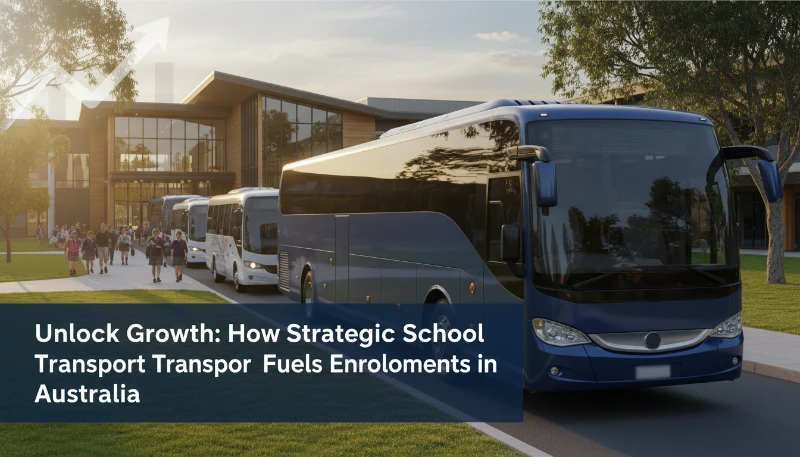
Unlock Growth: How Strategic School Transport Fuels Enrolments in Australia
In the competitive landscape of Australian education, schools are constantly seeking innovative ways to attract and retain students. While academic excellence and extracurricular offerings are paramount, a often-overlooked yet critical factor in a family’s decision-making process is the practicality and reliability of school transport. For parents juggling busy schedules, the prospect of safe, efficient, and convenient daily commutes for their children can be a deciding element. This is where strategic investment in school transport solutions transforms from a logistical necessity into a powerful enrolment driver. By understanding the profound impact of well-managed school transport, educational institutions can unlock significant growth, enhance their reputation, and build stronger communities.
The Australian education sector is diverse, encompassing public, private, independent, and religious schools across vast geographical areas. From bustling city centres to remote rural communities, the challenges and opportunities associated with student transportation vary significantly. However, the core need remains consistent: ensuring students can get to and from school safely and punctually. When a school prioritises this fundamental aspect, it sends a clear message to prospective families that it values their time, safety, and overall well-being. This article delves into the multifaceted ways strategic school transport can fuel enrolments, exploring the benefits for parents, students, and the institution itself, while also considering the practicalities of implementation and the advantages of leveraging modern solutions.
The Parent’s Perspective: Safety, Convenience, and Peace of Mind
For parents, the daily school run is a significant logistical undertaking. The decision to enrol a child in a particular school is influenced heavily by how easily and safely their child can attend. In Australia, where commutes can be long and traffic unpredictable, reliable school transport is not just a convenience; it’s a necessity that directly impacts family life.
Safety First: The Non-Negotiable Priority
The safety of children is, without question, the top priority for any parent. When a school offers a robust and well-managed transport service, it alleviates a major source of anxiety. This includes:
- Professional Drivers: Employing trained, vetted, and experienced drivers who understand child safety protocols.
- Well-Maintained Vehicles: Ensuring buses and vans are regularly inspected, serviced, and equipped with appropriate safety features, such as seatbelts and emergency exits.
- Supervision and Monitoring: Implementing systems for tracking bus movements and ensuring students are supervised from pick-up to drop-off.
- Route Planning: Designing routes that minimise travel time and avoid high-risk areas, considering factors like road conditions and traffic patterns specific to Australian suburbs and regional areas.
A school that demonstrates a commitment to these safety measures inherently builds trust with parents. This trust is a powerful differentiator, especially when compared to schools that leave transport entirely to parents or rely on less regulated third-party options.
Convenience and Time-Saving Benefits
Modern family life is often a whirlwind of work, appointments, and extracurricular activities. The daily school commute can consume valuable time that parents could otherwise dedicate to work, family, or personal pursuits. A dependable school transport service:
- Reduces Parental Stress: Eliminates the daily rush to get children to school on time, especially for families with multiple children attending different schools or parents with demanding jobs.
- Offers Predictability: Provides a reliable schedule, allowing parents to plan their own day with greater certainty.
- Supports Working Parents: Crucial for parents who work full-time and cannot manage the school drop-off and pick-up themselves.
- Facilitates Access for Remote Families: For families living further from the school, a dedicated bus service can make attendance feasible where it might otherwise be impossible.
Consider a family in a growing Sydney suburb like the Hills District, where traffic can be a significant challenge. A school offering a direct bus route that bypasses congested main roads provides an invaluable service. Similarly, in regional Queensland, where distances can be substantial, a well-organised bus network is essential for student access.
The Financial Equation: Value Beyond the Fare
While there might be a cost associated with school transport, parents often perceive it as a worthwhile investment when considering the alternatives. The cost of running a private vehicle for daily school runs – including fuel, maintenance, insurance, and the wear and tear on the vehicle – can be substantial. Furthermore, the time spent driving is time not spent earning or on other productive activities.
Schools that offer competitive and transparent pricing for their transport services can present it as a value-added package. For instance, a school might partner with a reputable provider to offer a comprehensive transport solution. Companies like Low Cost Self-Drive, while primarily focused on hire vehicles, highlight the underlying need for accessible transportation solutions across Australia, underscoring the demand for reliable and cost-effective options, which can translate to schools seeking efficient fleet management or transport partnerships.
Enhancing the Student Experience: Comfort and Independence
Beyond the parental benefits, the school transport experience itself significantly impacts students, influencing their overall attitude towards school and their daily well-being.
A Positive Start and Finish to the School Day
The journey to school can set the tone for a student’s day. A comfortable, safe, and friendly bus environment can:
- Reduce Morning Stress: Allowing students to relax, chat with friends, or even do some last-minute revision in a calm setting.
- Foster Social Connections: Buses often become social hubs where students from different year levels can interact, building a stronger school community.
- Promote Independence: For older students, using the school bus is a step towards independence, teaching them responsibility and time management.
Conversely, a stressful or unreliable commute can lead to tardiness, anxiety, and a negative perception of school. Ensuring the school transport experience is positive contributes to a student’s overall engagement and happiness.
Accessibility for All Students
A well-designed school transport system should be inclusive. This means considering the needs of students with disabilities or special requirements. Providing accessible buses with ramps or lifts, and ensuring drivers are trained in assisting these students, demonstrates a school’s commitment to equity and inclusion. This is particularly important in a country like Australia, which values diversity and accessibility.
Strategic School Transport as a Marketing and Enrolment Tool
In today’s competitive educational market, schools must differentiate themselves. Strategic school transport can be a powerful marketing asset, directly influencing enrolment numbers.
Attracting Families from Wider Geographic Areas
A comprehensive and reliable school transport network allows a school to draw students from a much larger catchment area than would be feasible if parents were solely responsible for transport. This is particularly advantageous for independent and private schools seeking to broaden their appeal beyond immediate local residents.
Imagine a school in Melbourne’s outer east. By offering bus routes that extend into neighbouring suburbs, it can attract families who might otherwise consider schools closer to their homes. This expanded reach can significantly boost enrolment figures, especially for schools aiming to fill specific year levels or maintain a certain student capacity. The efficiency of these routes can be greatly enhanced through modern fleet management solutions. For example, software like eCoach Manager can optimise routes, monitor vehicle performance, and manage driver schedules, ensuring the transport service is not only reliable but also cost-effective and efficient – a key selling point for prospective parents.
A Competitive Advantage in a Crowded Market
When prospective parents compare schools, the logistical ease of attending is a significant factor. A school that clearly advertises and delivers a superior school transport service has a distinct advantage.
- Highlighting the Service: Schools should prominently feature their transport offerings on their website, in brochures, and during open days.
- Showcasing Benefits: Emphasise the safety, convenience, and cost-effectiveness compared to private transport.
- Testimonials: Feature positive feedback from current parents about the school’s transport service.
This proactive approach turns a functional service into a compelling reason to choose one school over another. It signals to parents that the school is invested in the holistic well-being and daily experience of its students.
Building Community and School Pride
School buses are more than just a means of transport; they are mobile extensions of the school community. The shared experience on the bus can foster a sense of belonging and camaraderie among students, contributing to a positive school culture. This sense of community can translate into:
- Increased Student Retention: Students who feel connected to their school are more likely to stay.
- Positive Word-of-Mouth: Happy students and parents become advocates for the school.
- Enhanced School Reputation: A school known for its strong community and excellent student support services attracts more interest.
Implementing and Optimising School Transport Solutions
Establishing or improving a school transport system requires careful planning and ongoing management. Several models can be adopted, each with its own set of considerations.
In-House vs. Outsourced Transport
Schools face a decision on whether to manage their transport fleet in-house or outsource to a dedicated transport provider.
- In-House: Offers greater control over vehicles, drivers, and scheduling. However, it requires significant investment in fleet acquisition, maintenance, insurance, driver recruitment, and management. This model might suit larger schools with the resources and expertise to manage complex operations.
- Outsourced: Partnering with a professional bus operator can be more cost-effective and less resource-intensive. The provider handles fleet management, driver training, and regulatory compliance. This allows the school to focus on its core educational mission. When selecting an outsourced provider, schools should look for a proven track record in student transport, robust safety standards, and flexible service offerings.
Leveraging Technology for Efficiency
Modern technology plays a crucial role in optimising school transport operations. As mentioned earlier, fleet management software can provide real-time tracking, route optimisation, maintenance scheduling, and driver performance monitoring. GPS tracking, for instance, not only enhances safety by allowing parents and school administrators to know the bus’s location but also helps in managing punctuality and identifying potential delays. This technological integration can significantly improve the reliability and efficiency of the service, making it a more attractive proposition for families.
For schools considering their fleet needs, understanding the market for vehicle hire is also important. Services like Low Cost Self-Drive in Australia offer a range of vehicles that, while often aimed at self-drive hire, illustrate the accessibility and variety of transport solutions available. Schools exploring options might find that understanding the broader transport hire market helps in negotiating with specialised school transport providers or even considering leasing options for their own fleets.
Route Planning and Optimisation
Effective route planning is fundamental to a successful school transport service. This involves:
- Data Analysis: Understanding student addresses and proximity to potential pick-up points.
- Minimising Travel Time: Designing routes that are as direct as possible, balancing the number of stops with overall journey duration.
- Safety Considerations: Avoiding dangerous roads or intersections where possible.
- Flexibility: Being able to adapt routes as student numbers and locations change.
Utilising software and experienced logistics planners can ensure routes are efficient, reducing fuel costs and ensuring students aren’t spending excessive time on the bus. This efficiency directly translates into a more appealing service for parents.
The Broader Impact: Community and Sustainability
Beyond direct enrolment benefits, a well-managed school transport system contributes positively to the wider community and environmental goals.
Reducing Traffic Congestion and Environmental Footprint
Encouraging students to use school buses rather than being driven individually by parents can significantly reduce the number of cars on the road, particularly during peak morning and afternoon hours. This:
- Alleviates Traffic Congestion: Making roads safer and commutes smoother for everyone in the community.
- Lowers Carbon Emissions: Modern buses are often more fuel-efficient per passenger than individual cars, contributing to cleaner air and reduced greenhouse gas emissions.
- Promotes Sustainable Practices: Aligns with broader societal goals for environmental responsibility, which can be a factor for environmentally conscious families choosing a school.
Schools can further enhance this by investing in newer, more fuel-efficient buses or exploring electric vehicle options as they become more viable for fleet operations. This commitment to sustainability can be a powerful marketing message.
Strengthening School-Community Ties
School bus routes often traverse various neighbourhoods, making the school a visible and integrated part of the local community. This:
- Increases Visibility: The school’s presence is felt beyond its campus.
- Fosters Local Connections: Students travelling together from different parts of a town or suburb can build local friendships that extend beyond school.
- Supports Local Employment: Employing local drivers and maintenance staff can provide economic benefits to the community.
A strong connection with the community enhances the school’s reputation and can indirectly lead to increased enrolments through positive local perception.
Conclusion: Investing in Transport is Investing in Growth
In the dynamic Australian education sector, strategic school transport is far more than a logistical service; it’s a powerful tool for growth, community building, and enhancing the overall student and parent experience. By prioritising safety, convenience, and efficiency in their school transport offerings, educational institutions can significantly differentiate themselves in a competitive market. This strategic investment directly addresses the needs and concerns of parents, making attendance more feasible and appealing, thereby driving enrolments from wider geographic areas.
From ensuring peace of mind for parents through professional drivers and well-maintained vehicles, to fostering a positive and inclusive environment for students, the benefits are far-reaching. Leveraging technology, optimising routes, and considering sustainable practices further amplify the value proposition. As schools look for sustainable ways to attract and retain students, recognising the pivotal role of effective school transport is essential. It’s an investment that pays dividends not only in increased enrolment numbers but also in building a stronger, more connected, and reputable educational institution for the future.