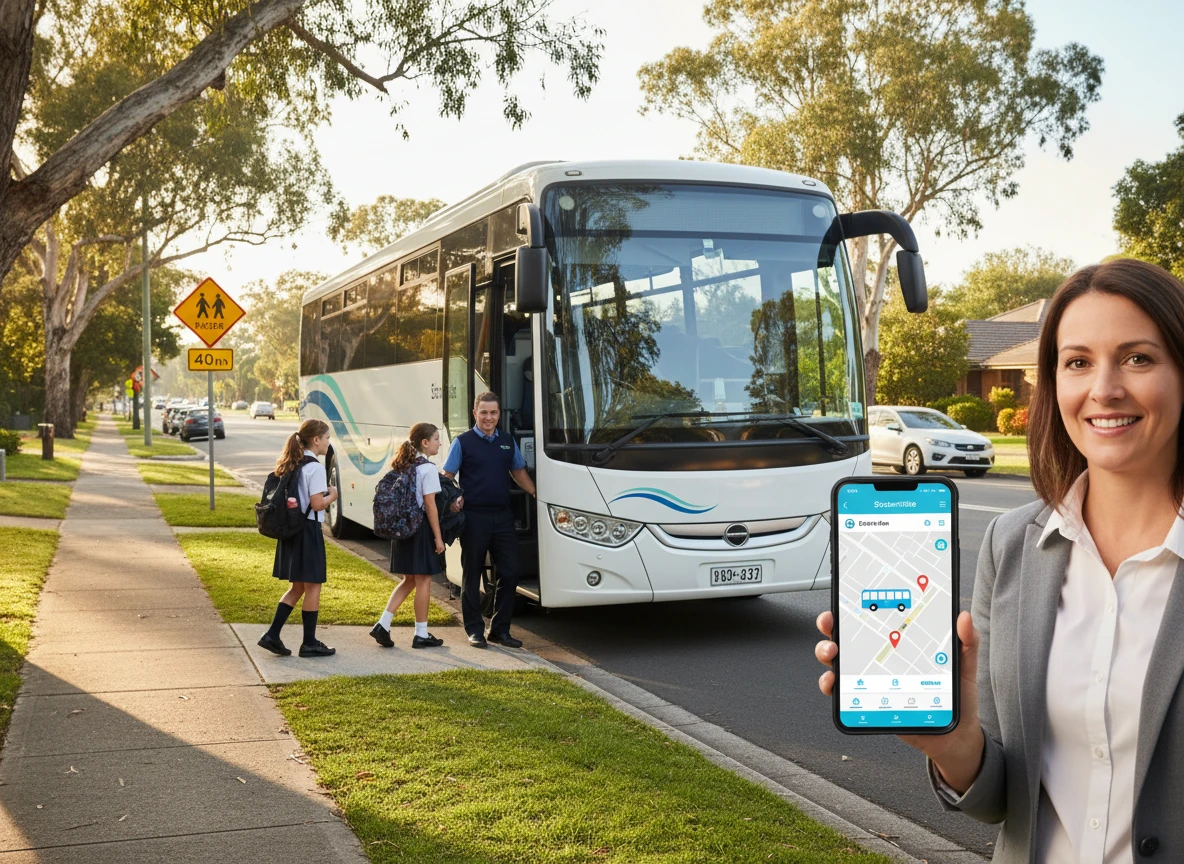
School transport has quietly become one of the highest-risk operational areas for Australian independent schools.
Not because schools don’t care — but because expectations have changed.
In 2026, school boards, insurers, and regulators no longer accept informal processes, paper logs, or “we’ve always done it this way” explanations when it comes to student transport.
Whether a school owns its buses, outsources services, or operates a hybrid model, transport risk audits are now unavoidable — and increasingly detailed.
This article breaks down what auditors and insurers actually look for, where schools are most exposed, and how modern transport governance is shifting from reactive to demonstrably proactive.
Why Transport Is Under the Microscope
Over the past decade, several trends have converged:
- Greater duty-of-care scrutiny for schools
- Rising insurance premiums linked to transport incidents
- Increased regulatory focus on child safety
- Higher parent expectations around transparency
As a result, transport is no longer viewed as “just logistics” — it is now a governance issue.
For boards, the question is simple:
“If something went wrong tomorrow, could we clearly demonstrate that our transport systems were safe, compliant, and actively managed?”
What a School Transport Risk Audit Really Assesses
Contrary to popular belief, audits are not just about vehicles.
They examine whether a school can prove ongoing control over risk.
Most audits now focus on six core pillars.
1. Governance & Accountability Frameworks
Auditors want clarity around who is responsible.
They will typically ask:
- Who owns transport risk at executive level?
- How often is transport reported to the board?
- Are responsibilities documented or implied?
- Is transport included in the school’s risk register?
Red flag 🚩
“Everyone assumed someone else was checking it.”
Strong schools can clearly show:
- Defined accountability
- Escalation processes
- Board visibility
2. Driver Accreditation & Ongoing Validation
Driver compliance is now one of the highest-risk areas in school transport audits.
Auditors expect evidence of:
- Current driver licences (correct class)
- Working With Children Checks
- Medical fitness declarations
- Training and induction records
- Ongoing monitoring — not annual checks
Critical issue:
Many schools collect documents but don’t actively monitor expiry dates.
That gap alone can invalidate insurance.
3. Vehicle Maintenance & Roadworthiness
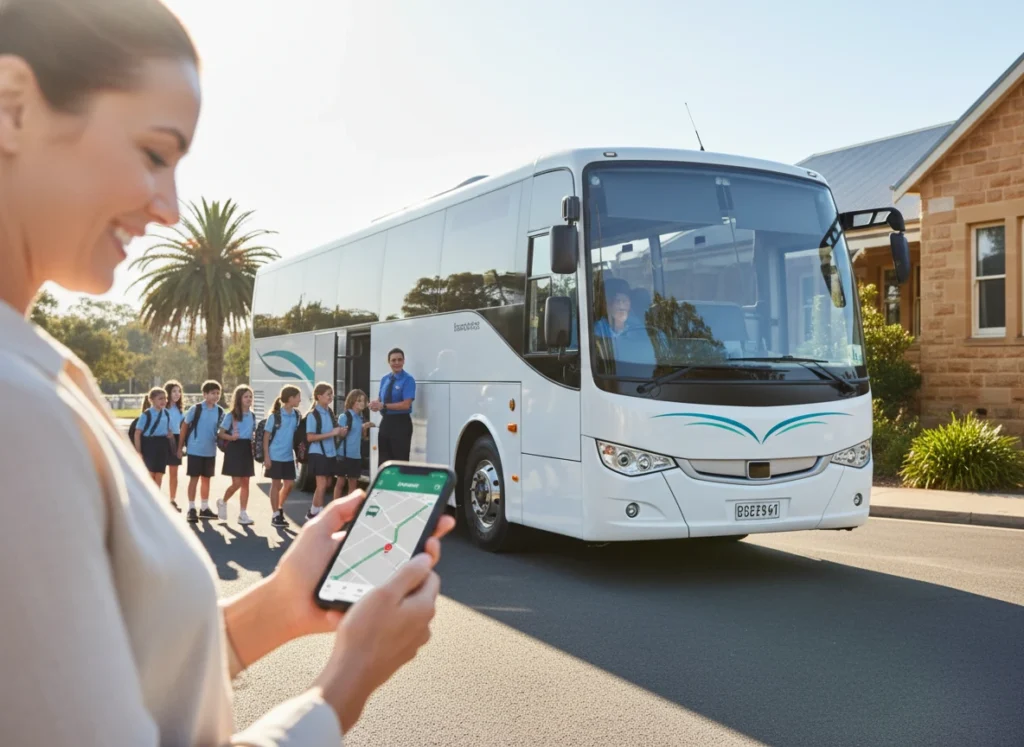
Schools are expected to demonstrate preventative maintenance, not reactive repairs.
Auditors typically assess:
- Service schedules by vehicle
- Inspection records
- Defect reporting processes
- Evidence that issues are tracked through to resolution
Handwritten logs or scattered invoices often fail scrutiny because they:
- Lack consistency
- Are difficult to audit
- Don’t demonstrate oversight
4. Incident Management & Reporting
Even well-run transport systems experience incidents.
What matters is how they’re handled.
Auditors will look for:
- Clear incident reporting procedures
- Documentation of near-misses
- Post-incident reviews
- Evidence of corrective action
Red flag 🚩
“We haven’t had any incidents, so we don’t really have a process.”
In reality, that usually signals lack of visibility, not lack of risk.
5. Visibility Across Daily Routes and Ad-Hoc Trips
Many schools manage:
- Daily routes internally
- Excursions through ad-hoc processes
- Camps via external providers
Auditors increasingly expect a single view of transport activity, including:
- Which vehicles were used
- Who was driving
- Which students were on board
- Who approved the service
Fragmented systems increase exposure.
6. Evidence, Not Assurances
Perhaps the biggest shift in audits is this:
Auditors no longer accept verbal assurances.
They expect:
- Dashboards
- Logs
- Alerts
- Digital records
- Time-stamped evidence
If a process exists but can’t be shown, it’s treated as if it doesn’t exist.
Where Schools Are Most Exposed Today
Based on common audit findings, schools are most vulnerable when:
- Transport is managed “off the side of someone’s desk”
- Compliance relies on manual reminders
- Knowledge sits with one staff member
- In-house fleets operate without professional systems
- Outsourced providers are not actively monitored
These risks compound over time — until an audit, insurer review, or incident brings them to light.
How Leading Schools Are Preparing for 2026
Forward-thinking schools are shifting their mindset from:
“Are we compliant right now?”
to
“Can we demonstrate continuous compliance at any time?”
That requires systems, not goodwill.
Professionalising Transport Oversight Without Outsourcing Everything
Crucially, improving audit readiness does not require schools to give up control.
Many schools are adopting hybrid management models, where:
- School-owned buses remain in use
- Drivers remain employed by the school
- Professional systems provide oversight, alerts, and reporting
This approach strengthens governance without forcing structural change.
Where StudentRide Fits Into Audit Readiness
StudentRide supports schools by turning transport from an operational burden into a defensible governance system.
Schools using structured transport platforms can demonstrate:
- Centralised driver accreditation tracking
- Digital maintenance records
- Real-time visibility of services
- Clear audit trails
- Board-level reporting capability
This transforms audits from stressful exercises into routine reviews.
What Boards and Insurers Want to See — In One Sentence
Clear accountability, continuous monitoring, and verifiable evidence.
Anything less is now considered avoidable risk.
Final Thought: Audits Are No Longer a “Future Problem”
Transport risk audits are happening now, not “one day”.
Schools that prepare early:
- Reduce insurance friction
- Strengthen governance
- Protect leadership teams
- Reassure parents
- Build long-term resilience
Those that delay often end up reacting under pressure.
Summary
School transport is now one of the highest-risk operational areas for Australian independent schools, attracting increased scrutiny from boards, insurers, and regulators. Transport risk audits in 2026 go far beyond vehicle condition, focusing on governance, driver accreditation, maintenance oversight, incident management, and the school’s ability to demonstrate continuous compliance.
Auditors expect clear accountability frameworks, up-to-date driver documentation, preventative maintenance records, and auditable evidence rather than informal assurances. Schools relying on manual systems, fragmented processes, or individual staff knowledge face growing exposure during audits and insurance reviews.
Leading schools are responding by professionalising transport oversight, often through hybrid models that retain school-owned buses while introducing structured compliance systems. Platforms like StudentRide help schools centralise records, monitor risk in real time, and provide board-ready reporting. Preparing early transforms transport audits from reactive stress points into routine governance reviews.
FAQ
Q1. What is a school transport risk audit?
A school transport risk audit assesses how a school manages transport safety, compliance, governance, and duty of care, including drivers, vehicles, and operational processes.
Q2. Why are insurers focusing more on school transport audits?
Transport incidents carry high liability risk. Insurers now require evidence of proactive risk management, not just policies or verbal assurances.
Q3. What documents are reviewed in a transport audit?
Audits typically review driver licences, WWCCs, maintenance records, incident reports, training logs, and governance documentation.
Q4. Do schools with their own buses face higher audit risk?
Schools with in-house fleets carry greater responsibility, but strong systems and documented oversight can significantly reduce audit exposure.
Q5. How can schools prepare for transport audits in 2026?
By implementing structured compliance systems, centralising records, monitoring expiry dates, and ensuring transport risk is visible at board level.