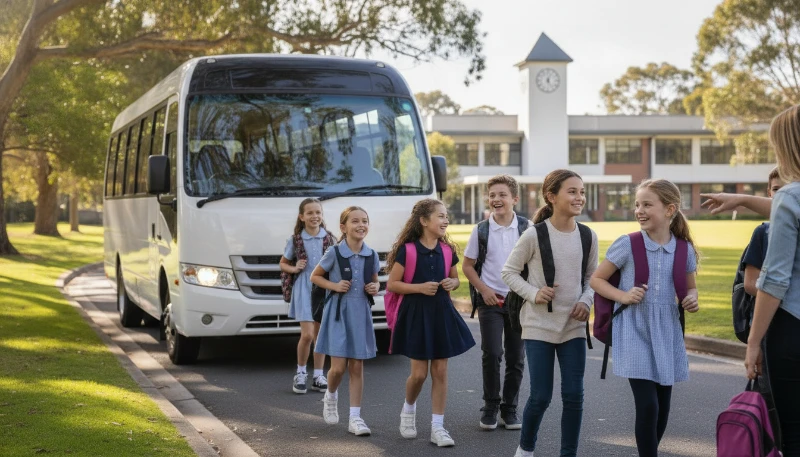
Understanding the True Cost of Student Transport in Australia
For independent schools across Australia, managing student transportation is a significant operational challenge. Beyond the obvious need to get students from point A to point B safely and efficiently, there’s a complex web of costs involved. Understanding these costs, and why they fluctuate, is crucial for effective budgeting and planning. This article delves into the various components that make up the price of student transport, offering a transparent look at what schools and parents can expect when engaging services like StudentRide. We’ll explore the factors influencing pricing, from vehicle type and distance to operational overheads and compliance, providing a clear picture of the investment required for reliable education transport.
The Core Components of Student Transport Pricing
When you look at the price tag for student transport, it’s not just about the fuel and the driver’s wage. A multitude of factors contribute to the overall cost, each playing a vital role in ensuring a safe, reliable, and compliant service. For educational institutions, especially independent schools, understanding these elements helps in making informed decisions and appreciating the value delivered.
Vehicle Acquisition and Depreciation
The initial purchase of a fleet of vehicles represents a substantial capital outlay. Whether it’s a fleet of 16-seater executive minibuses or larger 53-seater coaches, the upfront cost is significant. These vehicles are specifically chosen for their safety features, passenger comfort, and suitability for educational purposes. Over time, vehicles depreciate in value, and this cost is factored into the service pricing. Regular replacement cycles are also essential to maintain safety standards and incorporate newer, more efficient technology. For instance, investing in Euro 6 compliant vehicles, which are significantly cleaner and more environmentally friendly, adds to the initial cost but offers long-term benefits in terms of reduced emissions and compliance with stricter environmental regulations, particularly in urban centres.
Driver Wages and Training
Skilled and reliable drivers are the backbone of any transport service. Their wages are a primary cost component, reflecting their experience, qualifications, and the hours they dedicate to safely transporting students. Beyond basic wages, costs include superannuation, leave entitlements, and workers’ compensation insurance. Furthermore, ongoing training is essential. This includes regular safety refreshers, first aid certifications, and specialised training for handling student groups, including those with specific needs. Ensuring drivers are consistently up-to-date with the latest road safety practices and student welfare protocols is a non-negotiable aspect of providing a high-quality service.
Fuel and Maintenance
Fuel is a variable but significant operational expense. The price of fuel can fluctuate based on global markets and local taxes, directly impacting the cost of running a transport service. To mitigate this, modern fleets often prioritise fuel efficiency. Regular maintenance is another critical cost. This includes routine servicing, tyre replacements, brake checks, and any necessary repairs to ensure vehicles are always in optimal working condition. Proactive maintenance not only ensures safety but also prevents costly breakdowns and extends the lifespan of the vehicles. For example, ensuring that our 16-seater executive minibuses and 53-seater coaches are meticulously maintained is paramount to avoiding disruptions to school schedules.
Insurance and Compliance
Comprehensive insurance is a mandatory and substantial cost. This covers public liability, vehicle insurance, and potentially driver-specific policies. The level of coverage required for transporting students is typically higher due to the duty of care involved. Additionally, schools and transport providers must adhere to a myriad of regulations set by state and federal authorities. These regulations cover vehicle standards, driver licensing, working hours, and safety protocols. Staying compliant involves ongoing administrative effort, audits, and potentially the implementation of specific technologies or procedures, all of which add to the operational cost.
Operational Overheads
Beyond the direct costs associated with vehicles and drivers, there are numerous operational overheads. These include administrative staff salaries, office rent, utilities, software subscriptions for scheduling and tracking, marketing, and professional development. For a service like StudentRide, which aims to take the entire transport headache off a school’s plate, these overheads are essential for providing a comprehensive management solution. Efficient administration ensures smooth booking processes, effective communication, and timely problem-solving.
Factors Influencing Student Transport Pricing
The base cost of providing student transport is then adjusted based on several dynamic factors. These variables can significantly impact the final price for a school or a specific route, making transparency about these influences essential.
Distance and Route Planning
The most straightforward cost driver is distance. Longer routes naturally require more fuel, more driver time, and potentially more vehicle wear and tear. However, it’s not just about the total kilometres. Route optimisation plays a crucial role. Efficient route planning can minimise travel time and fuel consumption by avoiding traffic congestion, reducing unnecessary detours, and consolidating pick-up and drop-off points. A well-planned route can make a significant difference in cost-effectiveness. For example, a school in a suburban area like Epping (postcode 2121) might have different route challenges compared to a school in a regional centre, impacting the overall cost structure.
Vehicle Type and Capacity
The type of vehicle required directly influences the price. Smaller minibuses are generally less expensive to operate than larger coaches due to lower fuel consumption and potentially fewer driver hours per student. However, the choice of vehicle also depends on the number of students and the specific needs of the school. For instance, a school requiring transport for a large cohort might find it more cost-effective to use a larger coach than multiple smaller minibuses, even if the per-vehicle cost is higher. The comfort and amenities offered also play a part; executive minibuses might come with a premium for enhanced features.
Time of Day and Day of Week
Transport services often incur higher costs during peak hours, such as early mornings and late afternoons, when demand is highest and traffic congestion is often at its worst. Weekend services or transport required for after-school activities, excursions, or sporting events may also be priced differently due to driver availability and potentially overtime rates. Some services might also charge a premium for services required during public holidays or outside standard operating hours.
Frequency and Duration of Service
A daily, year-round transport service will have a different pricing structure compared to an occasional charter for a school trip or sporting event. The commitment to a consistent, long-term service often allows for better economies of scale and more predictable operational planning, which can sometimes translate into more competitive pricing for the school. Conversely, one-off charters require more intensive logistical planning and resource allocation for a single event.
Special Requirements and Additional Services
Schools may have specific requirements that add to the cost. This could include the need for vehicles equipped with wheelchair lifts, specialised child restraints, or extra luggage capacity for school camps or sports tours. The provision of additional services, such as on-board supervision, Wi-Fi, or catering, will also incur extra charges. For schools needing transport solutions across different locations, engaging a provider that can manage a national network, like StudentRide, simplifies logistics but may involve varied pricing based on regional operational costs.
Comparing Transport Options: Cost vs. Value

While budget is always a consideration, it’s essential to weigh the cost of student transport against the value it provides. A cheaper option might seem attractive initially, but it could come with hidden costs or compromises in safety, reliability, or convenience.
Public Transport Challenges
Relying on public transport for large groups of students presents numerous challenges. Navigating crowded trains and buses with multiple bags, especially during peak hours or when dealing with unexpected disruptions like rail strikes or weekend engineering works, can be stressful and time-consuming. Coordinating multiple public transport legs for a single journey adds complexity and increases the risk of students getting lost or arriving late. The lack of dedicated space can also make it difficult to manage younger students or those with specific needs. While seemingly inexpensive on a per-passenger basis, the logistical burden and potential for disruption often outweigh the perceived cost savings for organised school groups.
Independent School Transport Solutions
Engaging a dedicated student transport provider offers significant advantages. The primary benefit is peace of mind. Knowing that experienced professionals are managing all aspects of the journey, from vehicle maintenance and driver vetting to route planning and emergency procedures, allows schools to focus on their core mission: education. The cost of a dedicated service, such as that offered by StudentRide, includes the assurance of safety, reliability, and convenience. This can be particularly valuable when arranging transport for excursions, inter-school competitions, or regular daily commutes. For example, a school in Sydney might consider the benefits of a service like Sydney Low Cost Self-Drive for specific needs, understanding that professional management ensures a smoother operation.
The Value of Euro 6 and ULEZ Compliance
For schools operating in or near major Australian cities, environmental regulations are becoming increasingly important. Vehicles that are Euro 6 compliant, such as the 16-seater executive minibuses and 53-seater coaches offered by reputable providers, represent a commitment to environmental responsibility. These engines produce significantly lower emissions, contributing to better air quality. In some cities, Ultra Low Emission Zone (ULEZ) charges may apply to older, more polluting vehicles. Investing in compliant vehicles upfront can save schools money in the long run by avoiding these charges and demonstrating a commitment to sustainability, which is often valued by parents and the wider community.
Making Informed Decisions: Budgeting for Student Transport
Effective budgeting for student transport requires a clear understanding of the service provider’s pricing structure and the factors that influence it. Schools should seek detailed quotes that break down costs and clearly outline what is included.
Requesting Detailed Quotes
When approaching transport providers, it’s essential to request comprehensive quotes. These should detail the cost per kilometre, hourly rates, any surcharges for specific times or days, and the pricing for different vehicle types. Understanding the cancellation policy, minimum booking periods, and any potential extra charges for services like luggage trailers or specialised equipment is also crucial. A transparent provider will be happy to explain their pricing model and answer any questions you may have. For instance, a school in Melbourne might compare quotes from various providers, looking for clarity on daily rates for routes covering areas like Chatsworth Bus Hire.
Negotiating Contracts
For schools requiring regular transport services, negotiating a long-term contract can often lead to more favourable pricing. Providers may offer discounts for committed, regular bookings, reflecting the predictability and efficiency gained. It’s important to ensure the contract clearly defines the scope of services, pricing adjustments (e.g., for fuel price fluctuations), and terms of service. Reviewing contract terms carefully, perhaps with legal advice, is advisable to ensure all parties’ obligations are clearly understood.
The Role of Technology in Cost Efficiency
Modern transport management software can play a significant role in cost efficiency. GPS tracking allows for real-time monitoring of routes, enabling quick adjustments to avoid delays and optimise fuel consumption. Automated scheduling and communication systems reduce administrative workload, freeing up staff time and minimising errors. For providers like StudentRide, leveraging technology ensures that operational costs are managed effectively, which can translate into more competitive pricing for schools. This technology also enhances safety and communication, providing real-time updates to parents and schools.
Student Transport FAQs
What is the typical cost of a school bus service per student?
The cost per student can vary dramatically based on route length, number of students, vehicle type, and frequency of service. For daily commutes, costs might be averaged out over the school year. For excursions, it’s often a flat rate or a per-hour/per-kilometre charge. It’s best to get a specific quote tailored to your school’s needs.
Are there hidden costs associated with student transport?
Potential hidden costs can include surcharges for peak hours, public holidays, late bookings, or additional services not initially specified. It’s vital to clarify all potential charges upfront with your transport provider. Ensure that fuel surcharges, if applicable, are clearly defined.
How do factors like ULEZ compliance affect the price?
Vehicles that meet stringent emissions standards like Euro 6 and are ULEZ compliant may have a higher upfront cost or operational cost due to advanced technology. However, they avoid potential fines or charges in low-emission zones and demonstrate environmental responsibility, which can be a value-add for schools. This ensures compliance with regulations in cities like Sydney or Melbourne.
Can schools negotiate prices for transport services?
Yes, especially for long-term contracts or high-volume services. Schools can negotiate pricing based on commitment, route efficiency, and the overall value proposition. Building a strong relationship with a reliable provider can lead to better rates over time.
What is the most cost-effective way to transport a large group of students?
For large groups, chartering a coach is often the most cost-effective and logistically simple solution compared to using multiple smaller vehicles or public transport. It ensures all students travel together, under supervision, and directly to the destination, minimising complexity and potential issues. Providers like The Launceston Coach Company specialise in group charter services.
The StudentRide Advantage: Simplifying School Transport Costs
At StudentRide, we understand that managing school transport budgets is a critical task for independent schools. Our mission is to simplify this process by offering transparent, competitive pricing and a comprehensive service that removes the transport headache entirely. We manage everything from vehicle procurement and maintenance to driver recruitment and scheduling, allowing schools to focus on education. Our commitment to safety, reliability, and efficiency means that while there is an investment, the value delivered through reduced administrative burden, enhanced student safety, and dependable service is substantial. We pride ourselves on providing solutions that are not only cost-effective but also contribute positively to the school community. For schools looking for a partner to manage their education transport needs, exploring options that offer clear value and professional service is key. Consider how a tailored solution can benefit your institution; for insights into potential travel experiences, check out Amazing Days Out for inspiration on destinations and logistics.
Choosing the right transport partner is about more than just the price; it’s about reliability, safety, and a seamless experience for students, staff, and parents. We encourage schools to reach out to our booking team to discuss their specific requirements and receive a personalised quote. Let StudentRide take the stress out of your school’s transport management, ensuring your students travel safely and comfortably, every time.
For wider public information, refer to Australian Government.